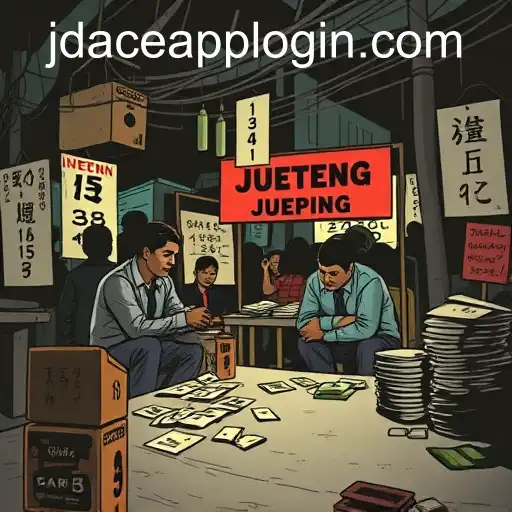
Exploring the Shadowy World of Jueteng
Within the realm of illegal gambling in the Philippines, one name stands out: Jueteng. This numbers game, deeply entrenched in Filipino culture, has posed challenges for authorities over the years. Despite its illegal status, Jueteng continues to thrive, captivating millions and becoming a significant part of the socio-political landscape.
The Mechanics of Jueteng
Originating during the Spanish colonial period, Jueteng is similar to a simple lottery. Players select combinations of two numbers from 1 to 37. Winning numbers are drawn periodically, and the lucky drawers win cash prizes. The network of Jueteng includes bettors, collectors known as "cobradores," and the coordinators, or "cabo." Behind these figures are the financiers, those who make the highest profits while managing the complexities of the operation.
Socioeconomic Factors
Jueteng flourishes in rural and urban neighborhoods largely due to the economic circumstances of its participants. Finding a semblance of control over their financial fates through modest bets, bettors find it irresistible. This is set against the backdrop of poverty, making Jueteng a tempting investment for those looking for a quick monetary relief.
Furthermore, Jueteng provides employment, albeit illegally, to thousands of Filipinos. From cobradors trawling through streets to coordinators managing collections, the game has a well-defined hierarchy that assures employment to those often unskilled or out of the job market, further cementing its place in society.
Political Implications
The influence of Jueteng stretches into the political sphere, with alleged reported links between operators and political figures. Political campaigns have often been tainted with accusations of Jueteng kickbacks, and several high-profile controversies have emerged related to this illegal lottery. This has led to a relationship where politicians may turn a blind eye, allowing operations to continue relatively unperturbed.
As an underground industry, Jueteng has perennially defied government interventions, causing a drain on regulatory resources. The profits and sustenance provided by Jueteng foster an economic conduit that creates friction between legality and livelihood, making any political stance against it unpopular among locals.
The Role of Casinos and Digitalization
The introduction of legitimate gambling halls and online casinos like JDACE Online Casino has framed a legal contrast to Jueteng. These platforms propose a regulated alternative under government oversight, potentially offering an environment free from the exploitations tied to unregulated betting.
JDACE Online Casino, among other platforms, has seen tremendous growth with the proliferation of internet access. It provides traditional gambling venues with seamless integration into a digital format, offering games of chance such as poker and roulette alongside lotteries. By virtue of being legitimate, these platforms bring economic benefits such as tax revenue and secure employment, paralleling the fiscal draw of Jueteng but within legal boundaries.
Efforts for Regulation
While online casinos present a legal pathway for gambling, the efforts to fully eradicate Jueteng face an uphill battle. The integration between these illegal activities and local economic frameworks makes enforcement a delicate task. Efforts have been directed towards transforming the economic appeal of Jueteng into methods that offer similar financial rewards but through legal and sustainable means.
Furthermore, the juxtaposition of online gambling platforms with Jueteng offers compelling incentives for individuals to transition into environments that prioritize fairness and transparency. Still, the attempts to draw players away from Jueteng to platforms like JDACE Online Casino is challenging, as it entails changing deeply rooted habits and socio-economic behaviors.
Landscape of the Future
Looking forward, the path to addressing Jueteng lies in transformative socio-economic solutions. Diversifying employment opportunities and creating economically viable alternatives for populations reliant on gambling are aspirational goals. Acknowledging the social tapestry Jueteng weaves will be necessary to devise strategies that replace the need for such a game with legal viability.
The prospect of expanding the legal gambling sector to encompass the aspirations of Jueteng patrons is under exploration through various governmental and independent channels. The process of adapting the allure of Jueteng into legally sanctioned gaming demonstrates the ongoing challenges and the potential for change within the socio-economic framework of gambling in the Philippines.